Workshops 2026
Select workshops to book your seats
Build Your First Quantum Circuit in Python: A Beginner's Workshop
(WS01)

By the end of this workshop, participants will understand the core ideas of quantum computing — qubits, superposition, entanglement, and quantum gates — without any math, and will have written and run their own quantum circuits in Python using open source Qiskit.

Manjunath Janardhan
AI/ML Computational Science Senior Manager Accenture
MariaDB Foundry: Build, Extend and Contribute to MariaDB
(WS03)
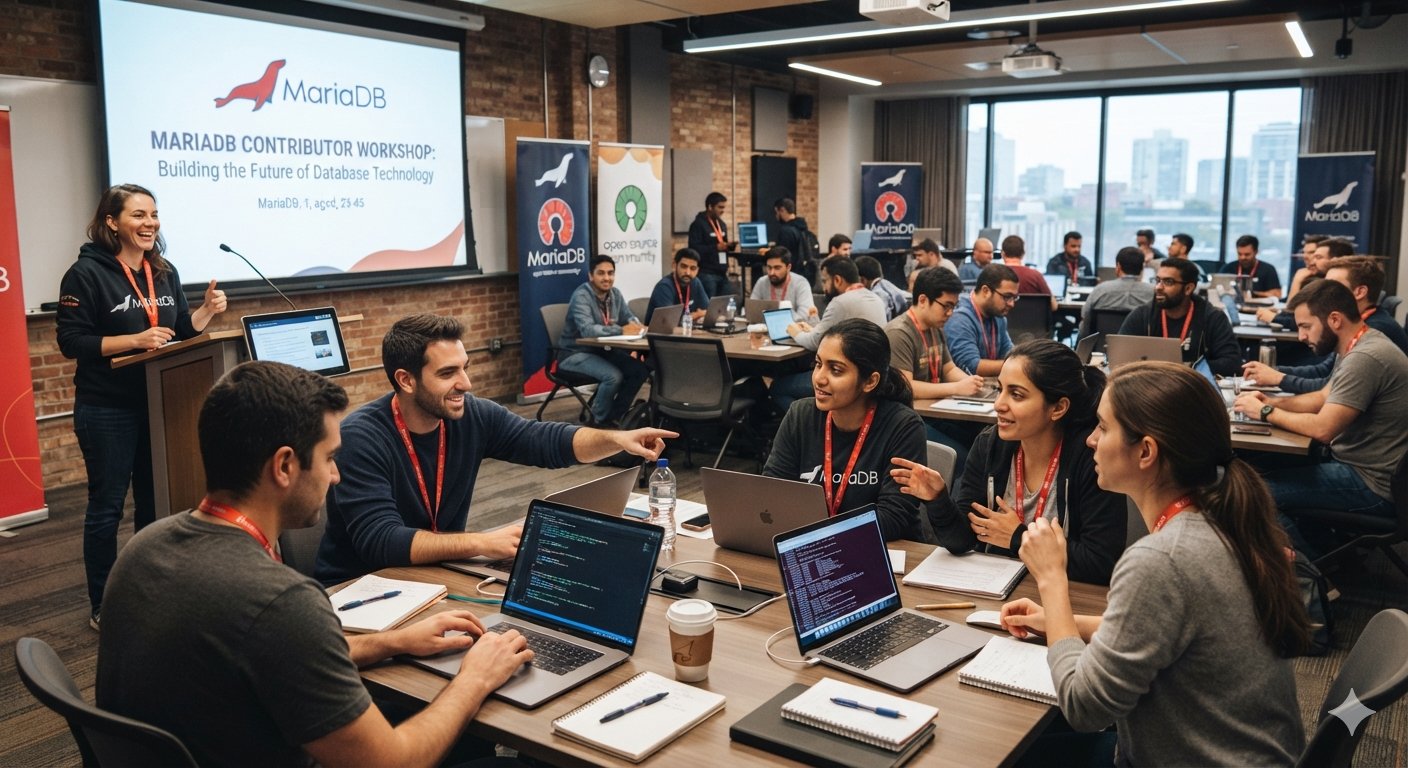
Give participants a practical path from using MariaDB to contributing to it. The workshop will show how MariaDB development and contribution workflows work, use Foundry to make the build-test-iterate cycle approachable, and guide attendees through creating and testing a simple MariaDB plugin/extension.
Daniel Black
CIO, MariaDB Foundation

Mohd Jarir Khan
Google Summer of Code student
Everyone Has Models, Nobody Has Context: Designing Enterprise-Ready AI Systems with Context Graphs
(WS02)
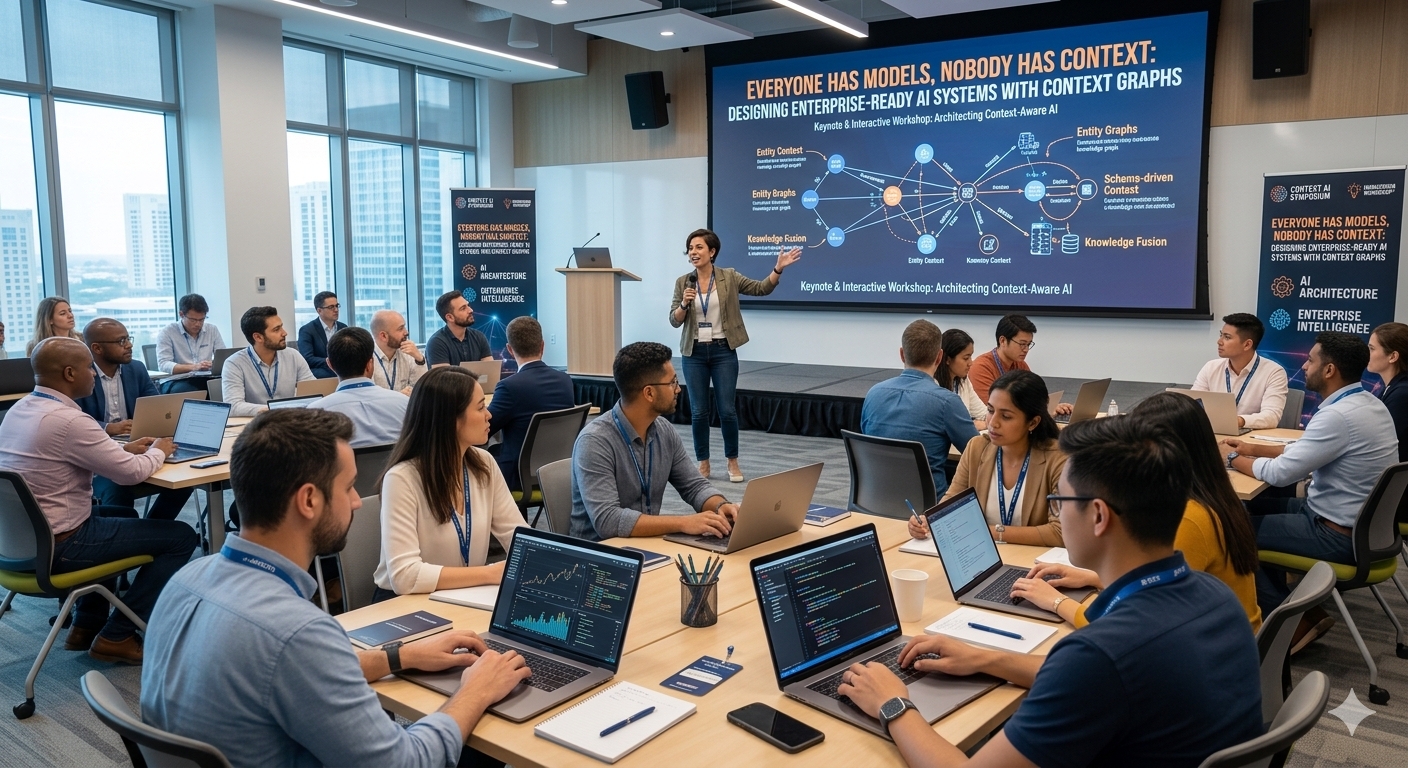
The objective of this workshop is to help participants understand why AI models alone are insufficient for delivering enterprise value and how enterprise context becomes the key differentiator in Agentic AI systems. Through a combination of concepts, architecture patterns, and a hands-on demonstration, participants will learn how to design and implement a Context Layer that enables AI agents to reason across enterprise systems, understand business semantics, and generate reliable, explainable outcomes.
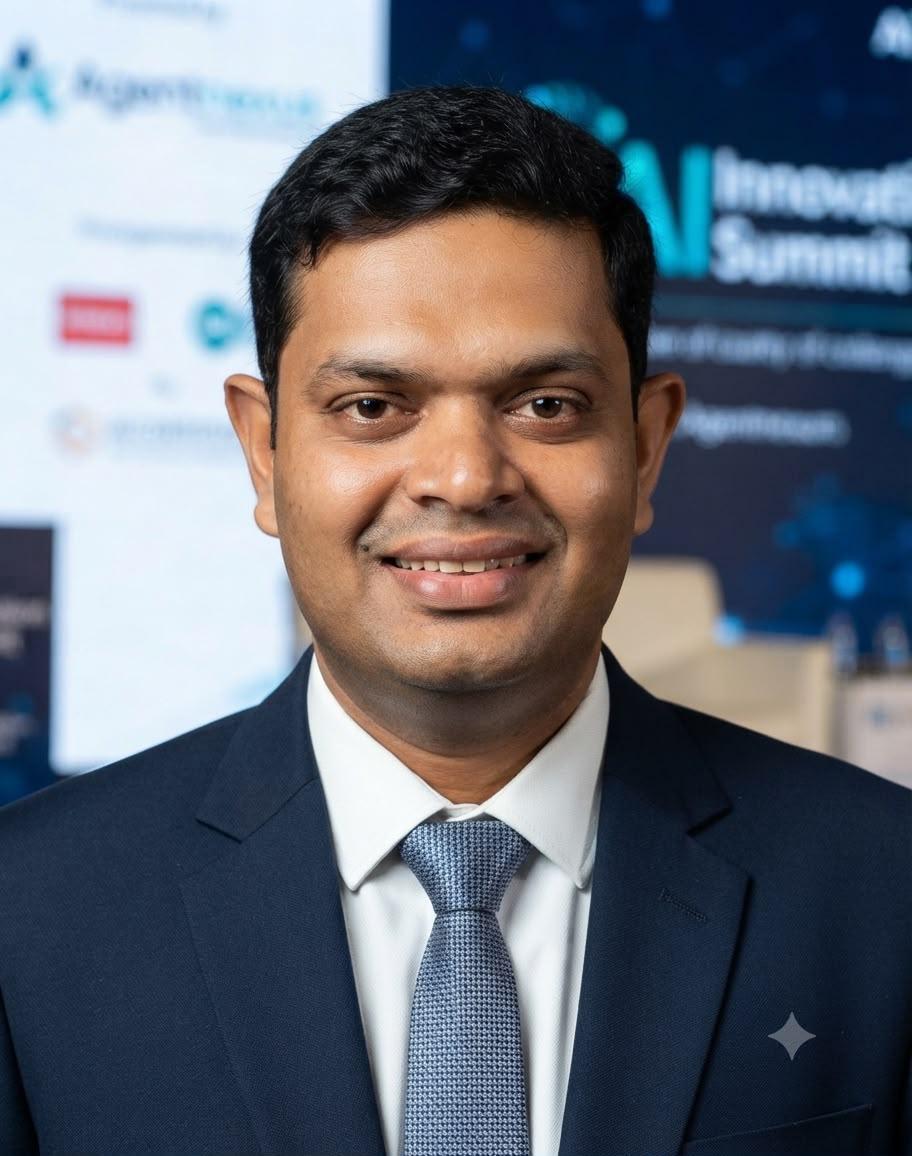
Karan Chellani
Senior Architect | GenAI & Enterprise AI Solutions Leader, Persistent Systems Ltd.
Introduction to the ROCm AI Stack for Building Multimodal AI Applications
(WS06)
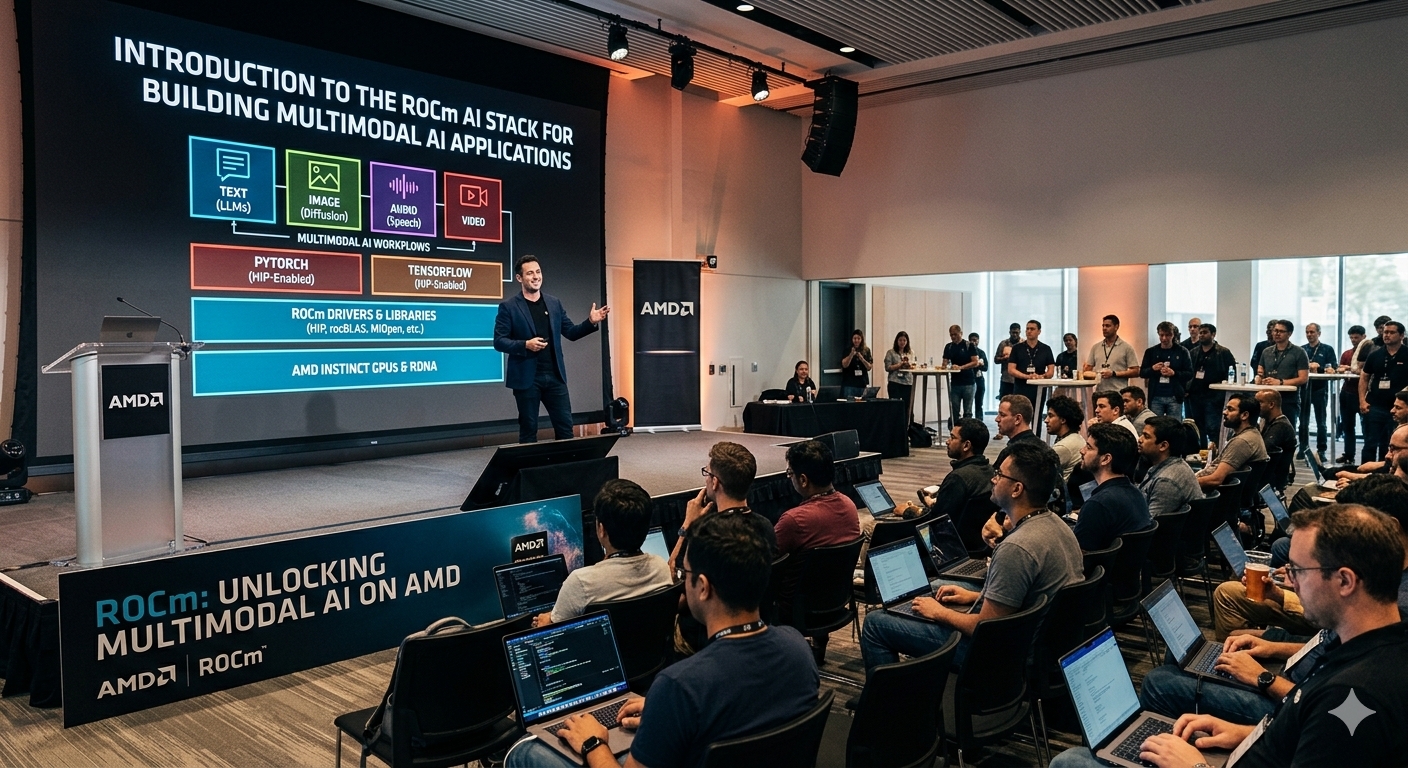
Modern AI applications combine models, serving frameworks, agents, and accelerator software into a complete stack. This hands-on workshop introduces AMD's ROCm AI stack and demonstrates how to develop and run multimodal AI applications on AMD GPUs. Participants will gain practical experience using enterprise-class AMD GPU infrastructure through the AMD GPU Developer Cloud. During the workshop, attendees will create an OpenClaw-based AI agent, connect it to a model-serving stack powered by vLLM or SGLang, and explore the key components of modern AI systems.

Dr. Saiyedul Islam
Senior Member of Technical Staff, AI Group, AMD India
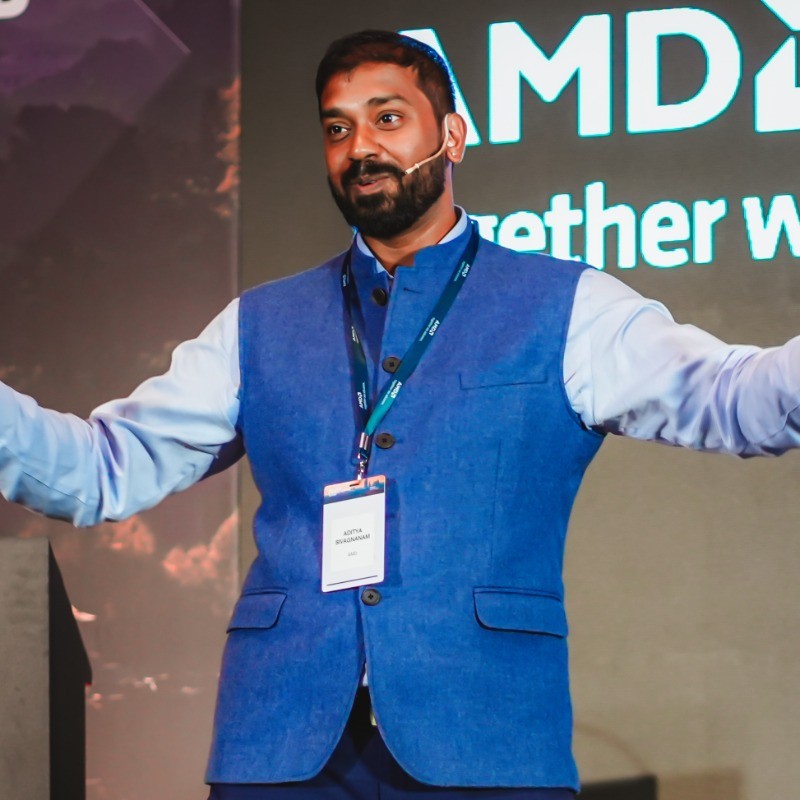
Aditya Sivagnanam
PMTS, Developer Application Engineer, AI Group, AMD India
AI Chips with Open Source and AI: A Practical Path to Production
(WS04)

The hands-on workshop will show that a working AI-capable ASIC can be taken from RTL to a fabrication-ready GDSII using only open-source tools and open PDKs - no proprietary EDA licences. In two hours, attendees walk the complete path to production

Raja Gopal Hari Vijay
Member Leadership Staff, Zoho Corporation
Managing Kubernetes with kubectl-ai, An AI powered Kubernetes Assistant
(WS07)

Kubernetes, while powerful, can be notoriously complex to troubleshoot. This session introduces k8sgpt, a revolutionary tool that leverages the power of Gemini (Google's cutting-edge LLM) to simplify Kubernetes logging and troubleshooting. We'll explore how k8sgpt analyzes Kubernetes logs, events, and resource metrics, using Gemini to provide human-readable explanations and actionable solutions.

Ashutosh S. Bhakare
CEO, Unnati Development and Training Centre Pvt Ltd
The OpenRuntime for Coding Agents: Discover, Attribute, and Route Across Any Harness and Provider
(WS08)
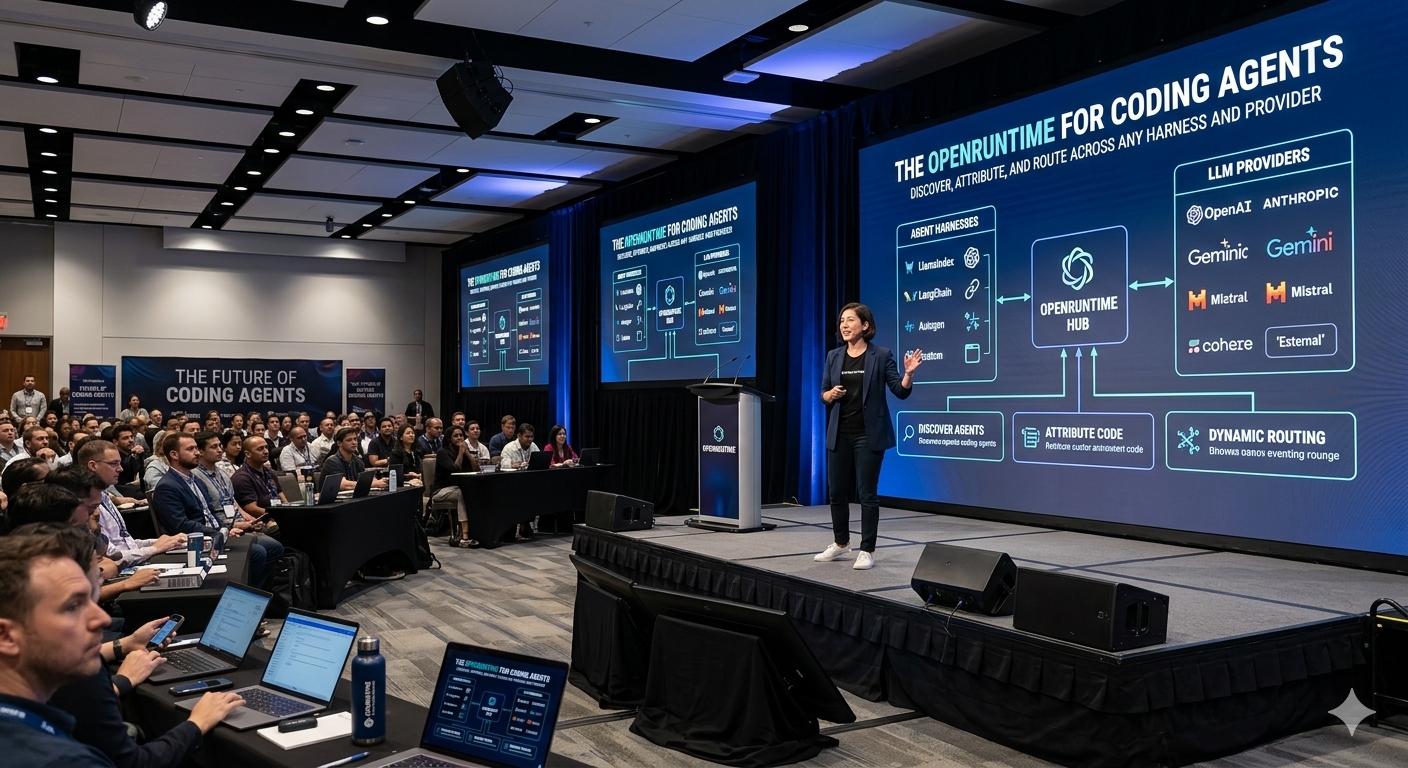
Get hands-on visibility into the coding agents you already use. In this two to three-hour workshop, you’ll use Nasiko, an open-source project written in Rust, to discover coding agents on your laptop, inspect usage and cost attribution across models and sessions, and configure routing across supported model providers.

Karan Bharadwaj
Co-founder and Head of Product, Nasiko

Neeraj Penumaka
Backend Engineer, Nasiko
Agentic Analytics in Regulated Industries: Live on Exasol
(WS09)
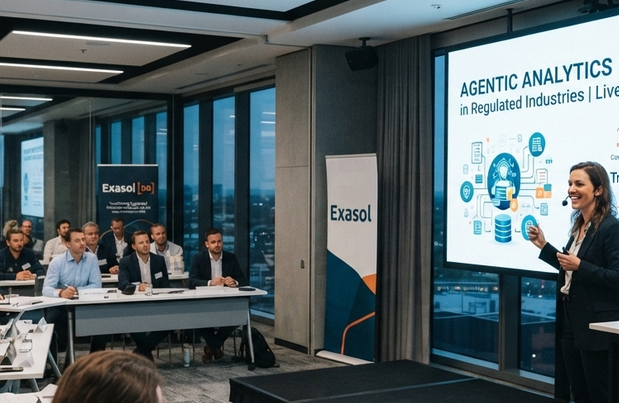
Show what it takes to put an AI agent on top of enterprise data in industries where every answer may be audited. Using two live builds on public data — a clinical trial landscape assistant for pharma and a near-real-time fraud-scoring pipeline for banking — we demonstrate an agent that discovers schema over MCP, applies the organisation's definitions through a semantic layer, runs inference inside the database, and leaves a query log that can be replayed months later. The aim is that attendees leave knowing the difference between an agent that has been handed database access and a database built for agents.

Prathamesh Karmalkar
Staff Software Engineer, Exasol AG
The Agentic Stack: Designing and Deploying Autonomous Workflows and Agents
(WS11)

A technical deep dive into turning static LLMs into dynamic agents that can use tools, search data, and reason

Arvind Devaraj
AI / LLM Engineer, Juspay
The Open Source Jarvis: Build Your Own Private Voice Assistant
(WS10)

Show attendees how to build an offline AI voice assistant from scratch using open-source models. By chaining open speech-to-text, local LLM reasoning, and text-to-speech, participants will build a private assistant capable of running daily automations without third-party APIs. Attendees will get hands-on experience running inference directly against an on-site NVIDIA DGX Spark, giving them a first-hand look at how a compact AI supercomputer powers local reasoning in real time.

Sayed Imran
Site Reliability Engineer, 66degrees